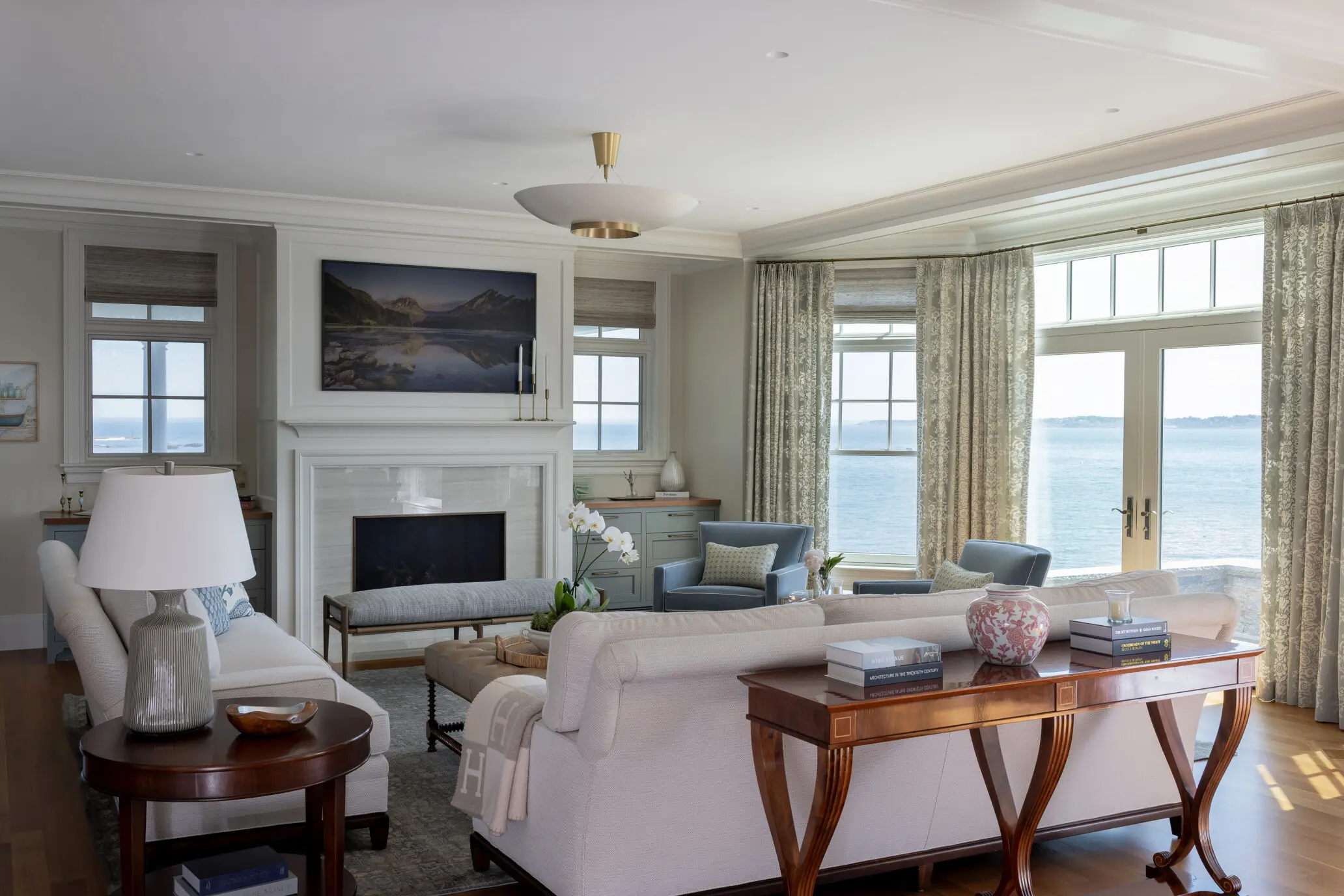
The Seasonal Edit: Designing Interiors That Feel Timeless Year-Round
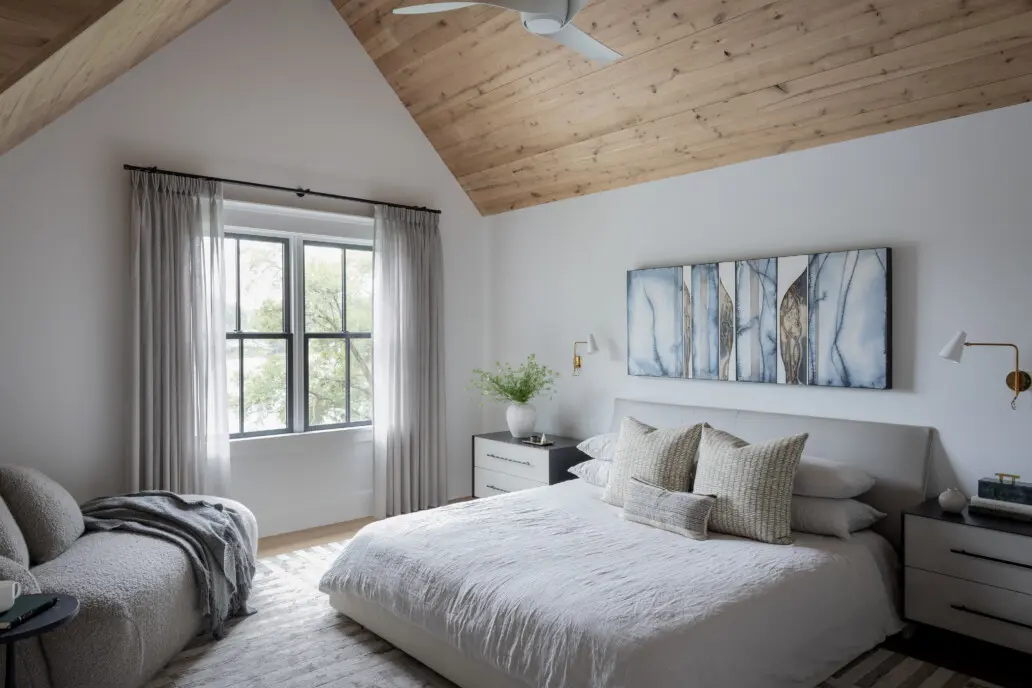
As the seasons change, so does the way we experience our homes. As summer gives way to autumn, we naturally spend more time indoors, gather differently, and look for spaces that feel warm, comfortable, and inviting.
But creating a home that responds to the seasons doesn't mean redesigning it every few months. The most successful interiors are designed with longevity in mind, creating a timeless foundation that can evolve naturally as the seasons, and the people who live there, change.
At SV Design, we approach interiors with this balance in mind. Seasonal inspiration can inform a space, but thoughtful material selections, timeless furnishings, thoughtful lighting, and layers of texture are what allow a home to feel fresh and relevant year after year.
Start with a Timeless Foundation
A timeless interior doesn't have to mean neutral or traditional. It means creating a foundation that has staying power.
Quality materials, well-proportioned furnishings, thoughtful millwork, and finishes that complement the architecture can establish a sense of permanence. From there, personality can be introduced through artwork, accessories, textiles, and other elements that are easier to change over time.
With the flood of design inspiration in the world, it is hard not to be attracted to trends. Determining whether something is a trend can be difficult. Stepping back and asking, “Will I get tired of this in the future? Does this support my growing family and my future life?” can help guide those decisions. We want design to last and grow with us rather than be pinned to how we lived at a specific time.
Let the Seasons Inspire, Not Dictate
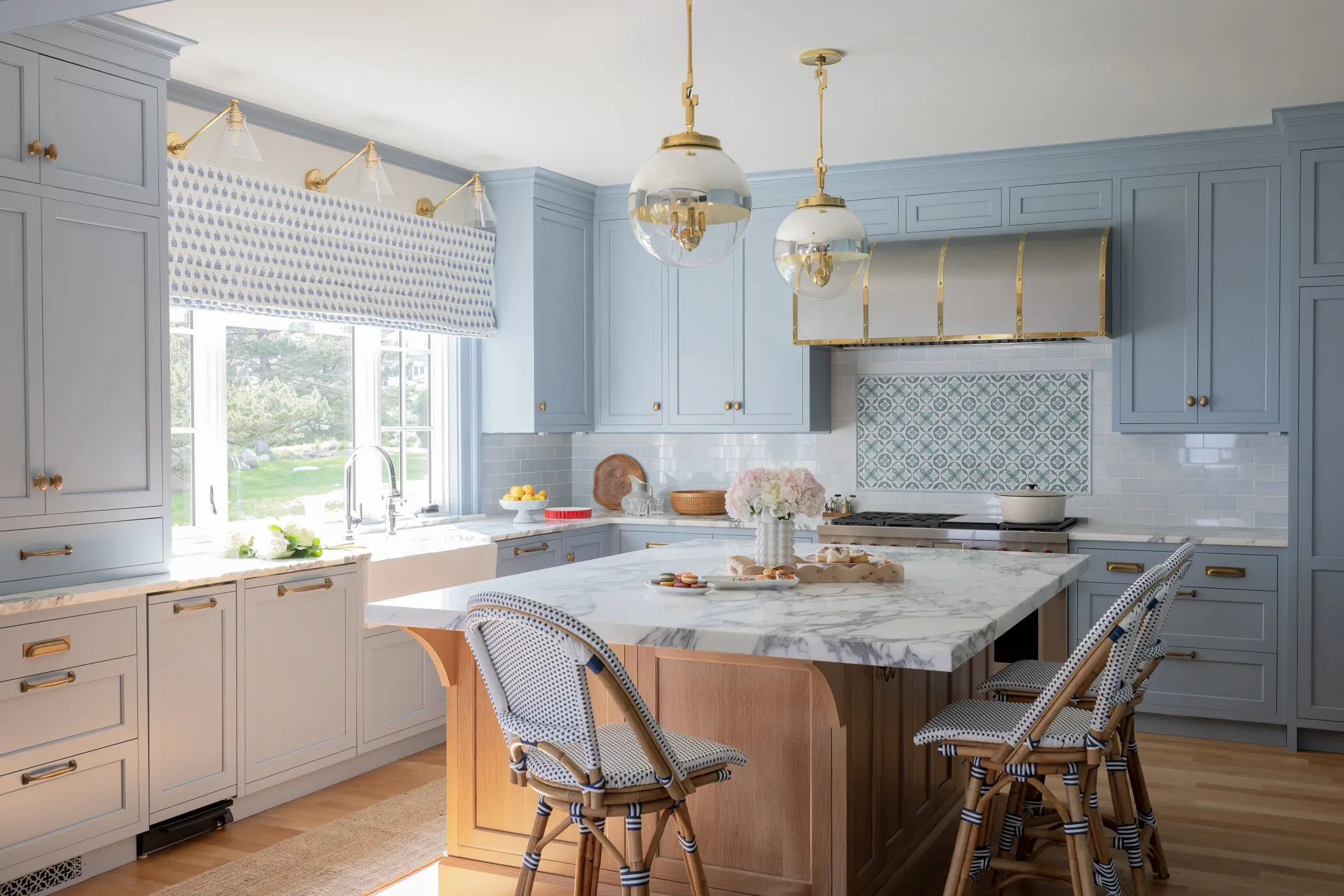
The changing seasons can be a source of inspiration without becoming a design directive. In autumn, that might mean incorporating warmer tones, richer textures, or natural materials. In spring and summer, lighter fabrics and brighter accents might naturally find their way into the space.
The key is restraint. Rather than designing around a particular season, consider how small, intentional changes can shift the atmosphere while allowing the overall design to remain cohesive.
Thoughtful shifts in seasonal décor can bring a spark to our favorite seasons. Selecting specific spaces to add décor without taking over the whole home is a fun way to shake things up. Fireplace mantels or entryway consoles, for example, can provide that small breath of change without requiring a larger redesign.
Layer Texture for Comfort
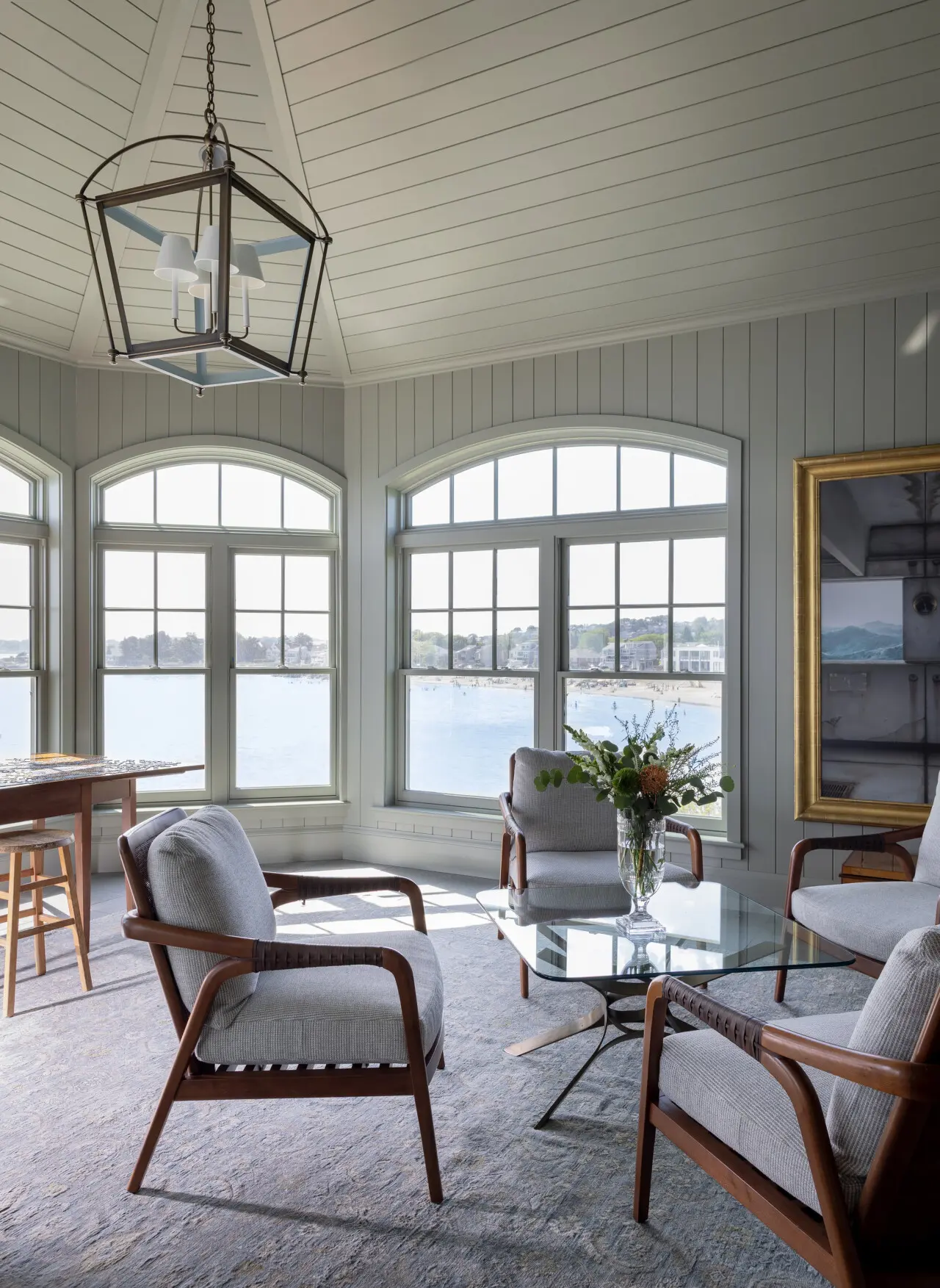
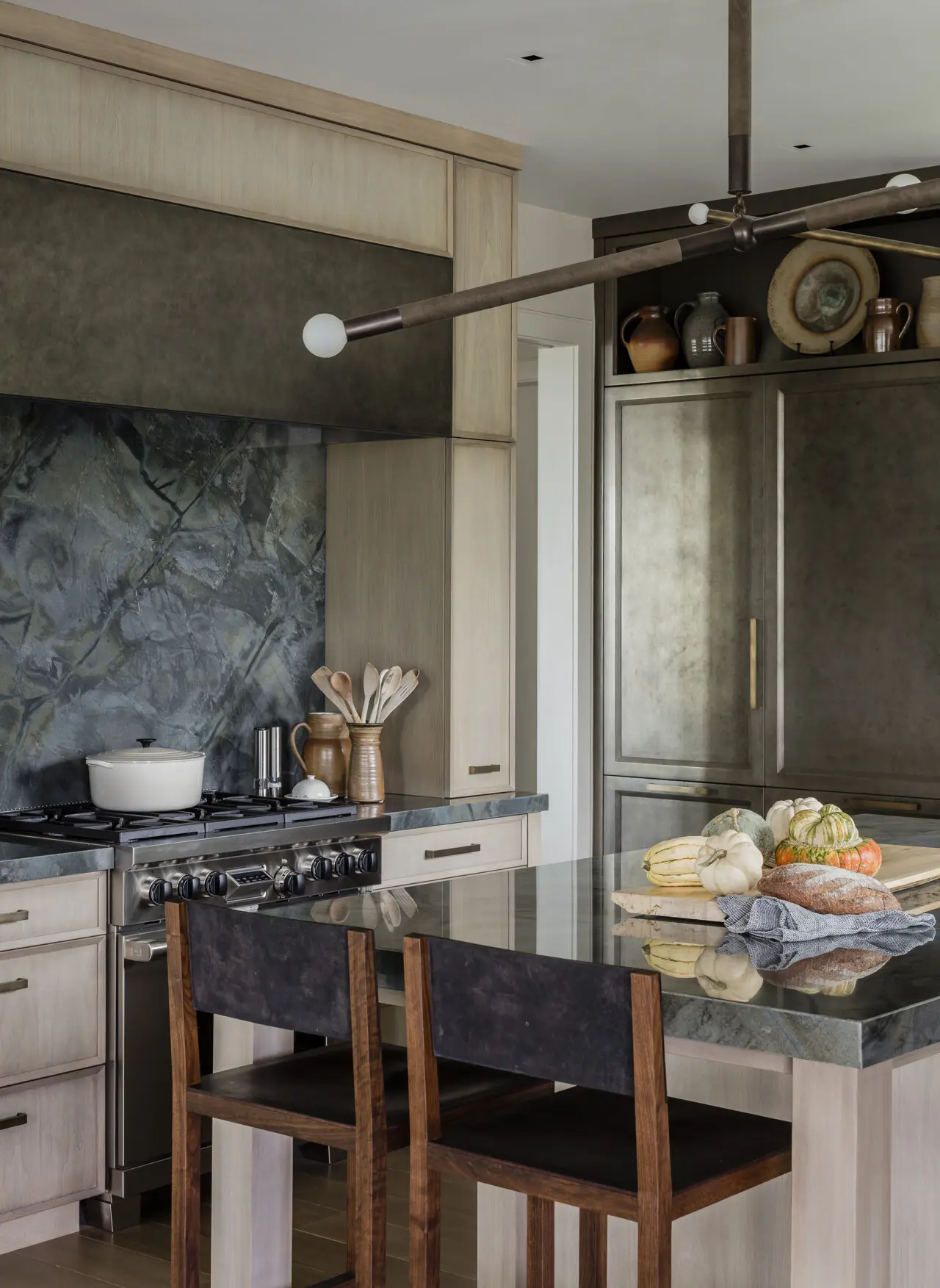
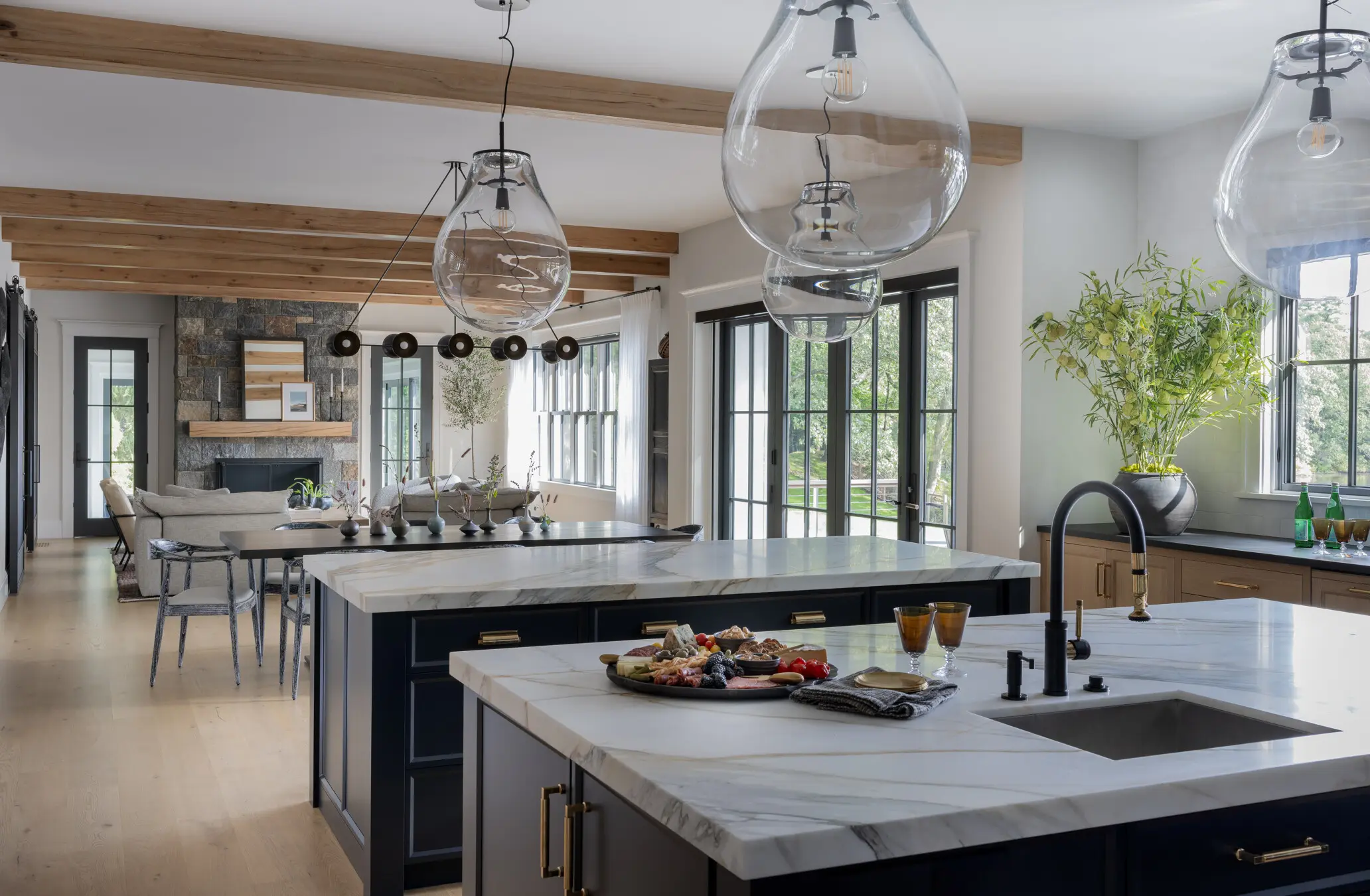
Texture is one of the most effective ways to make a space feel inviting, and it has relevance well beyond fall. Layering materials such as wood, stone, wool, linen, leather, and natural fibers creates visual depth and makes a room feel more dynamic.
Texture can also help balance a space. A room with clean architectural lines, for example, can feel warmer through the introduction of softer furnishings and tactile materials.
Touch and feel go a long way. Even how a texture appears to the eye can evoke a feeling of “soft” or “rough,” adding a level of dimension that can transform a space. Play with a mixture of textures. The juxtaposition creates interest and keeps a space from feeling one-note.
Bring Nature In
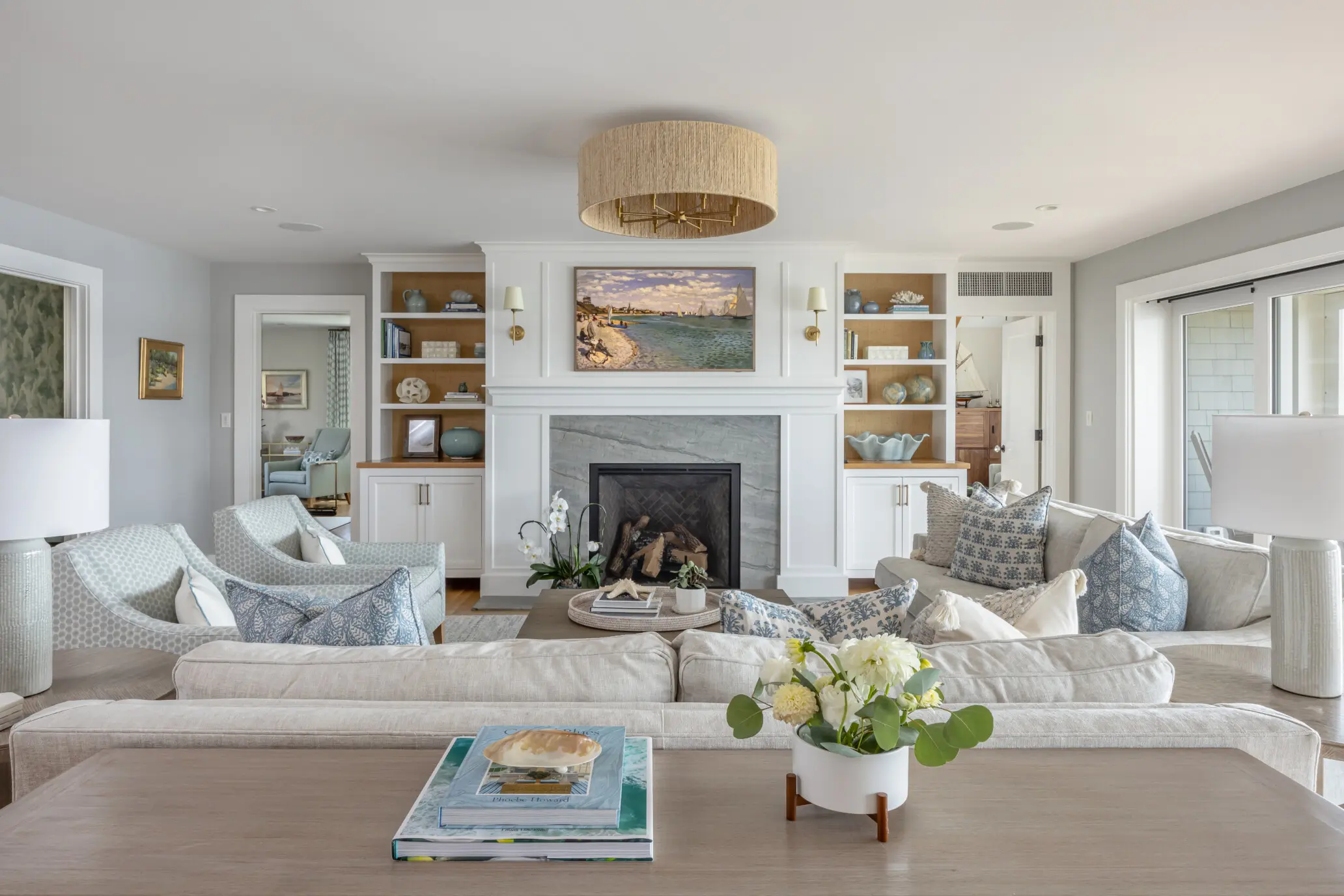
Our connection to the natural world doesn't go out of style. Natural materials, organic forms, handcrafted elements, and views to the outdoors can give interiors a sense of authenticity and permanence.
Wood, stone, plants, woven materials, and natural fibers can work across a range of aesthetics, allowing them to evolve with the rest of the space rather than feeling tied to a particular design trend or season.
Wood flooring can transform a home and provide the foundation to build upon. We often start with the wood flooring and build the rest of the materials around that very present element. Wood flooring not only needs to appeal to the overall aesthetic, but also provide durability. Wood can provide warmth while also making a strong visual impact, from a whitewashed oak on the Cape to a rich walnut herringbone in a brownstone.
Design for the Way Life Changes
Timeless design isn't just about aesthetics. It is also about creating spaces that can adapt.
A living room should be comfortable for a quiet evening as well as a gathering with friends. A dining area may need to accommodate everyday meals and holiday entertaining. Flexible furnishings, thoughtful storage, layered lighting, and adaptable layouts allow interiors to respond to changing needs without requiring a complete redesign.
How an individual or a family lives is always an ongoing conversation. How many people are in your immediate family? How many people do you entertain and how often might that be? We want to design for the everyday as well as the four or five times a year when a family may host a larger party or holiday gathering.
We want enough seats in the living room for everyday life, while also considering flexible options, such as pulling up benches, to provide additional seating for a birthday celebration. Additionally, aging in place is often a topic for discussion. From providing hidden blocking in walls for future grab bars in a shower to planning for a future primary suite on the first floor, we want to create homes that last for many years and multiple generations.
Let Lighting Evolve with the Day
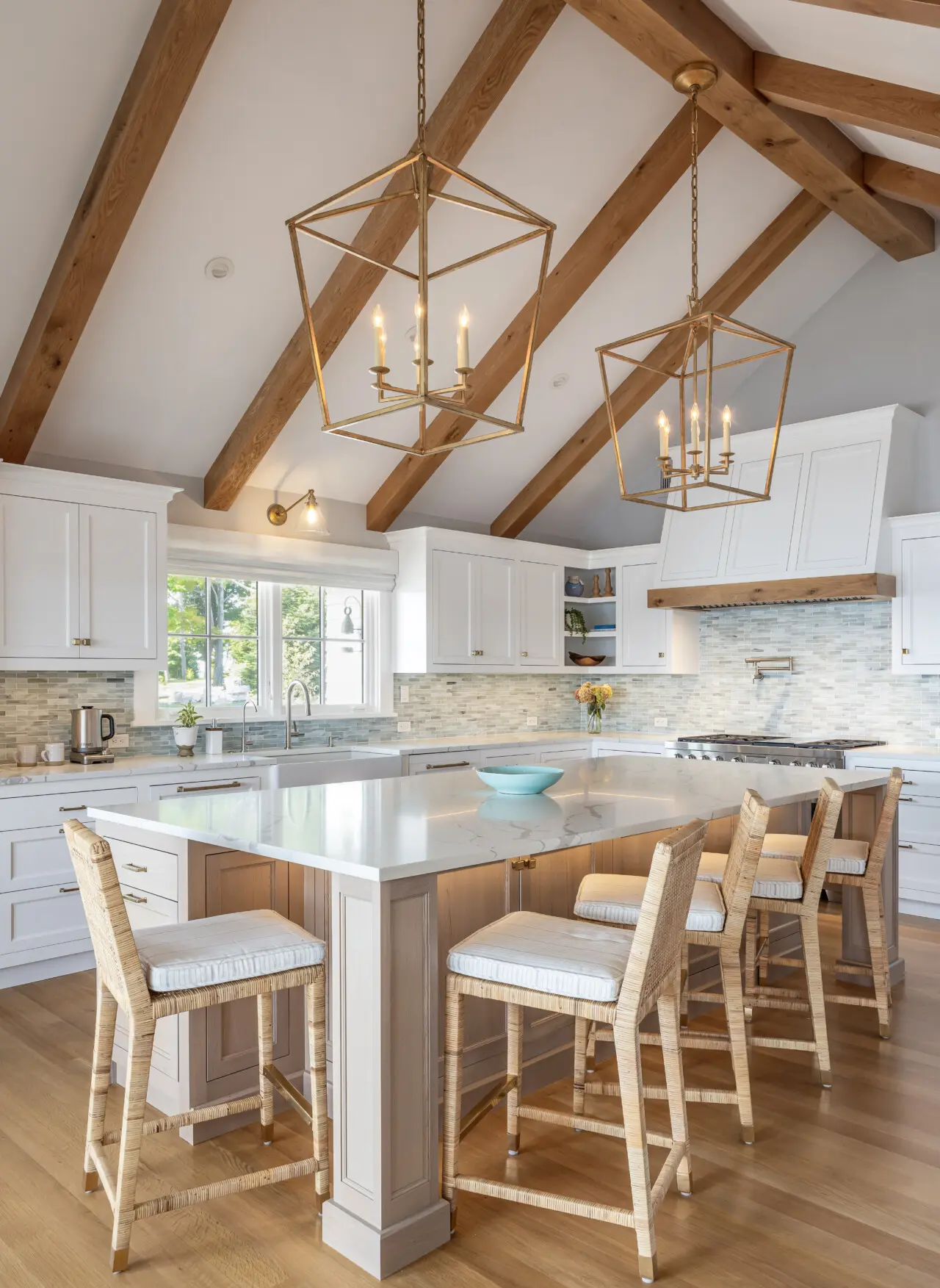
As the amount of natural light changes throughout the year, artificial lighting becomes an important part of how a space is experienced. A well-designed lighting plan incorporates ambient, task, and accent lighting to create flexibility throughout the day.
Dimmers, decorative fixtures, table and floor lamps, and carefully considered color temperatures can all help create different moods without changing the room itself.
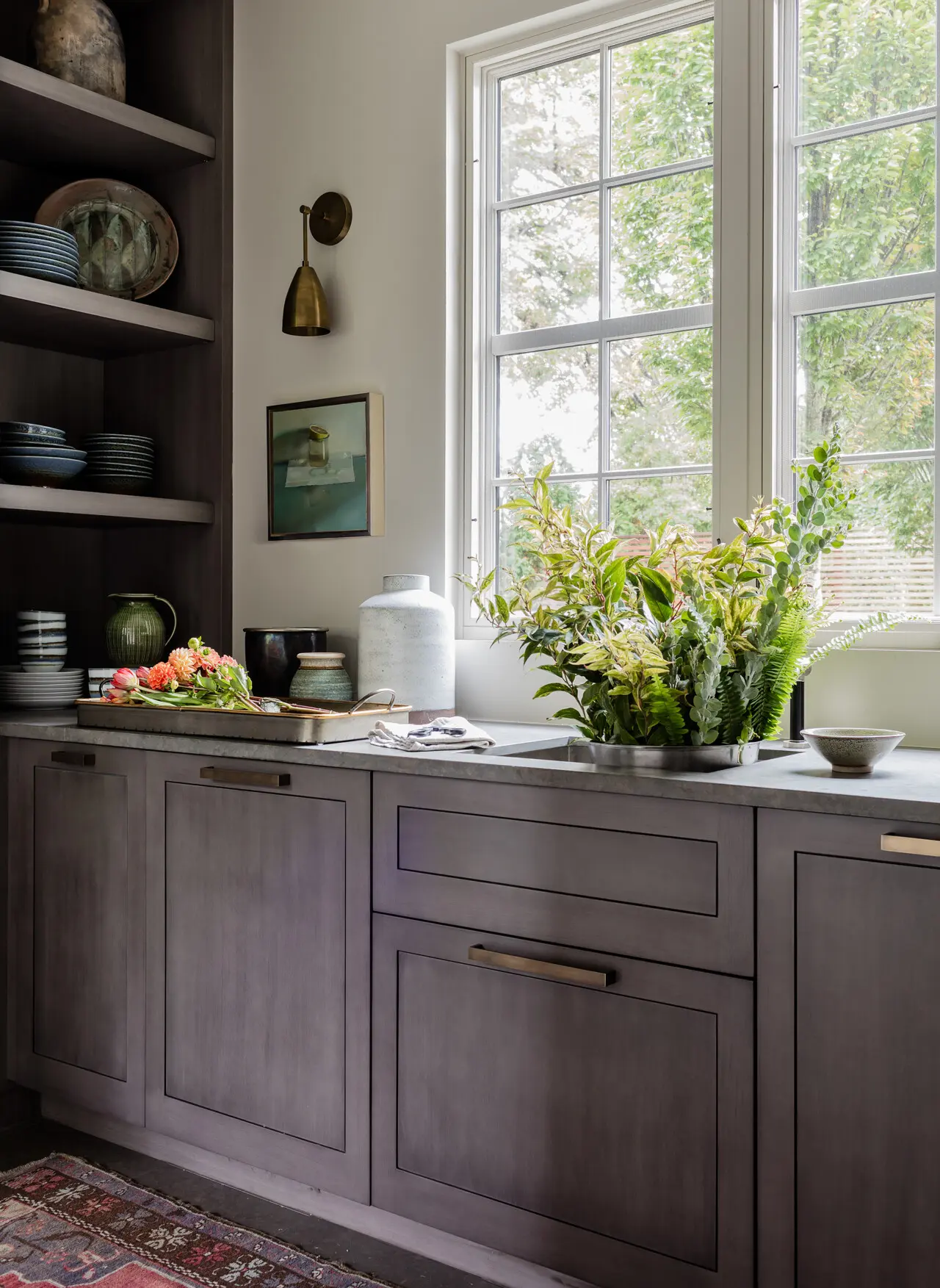
Layering in ambient lighting can create a feeling of softness throughout a space. Lamps and sconces provide warmth, while lampshades offer another opportunity to play with texture and transparency and change the feeling of the light. Lampshades can add an unexpected layer of texture, whether through a pleated patterned fabric or a textured grasscloth wallpaper.
Invest Where It Matters
Not every element of an interior needs to be permanent. In fact, the ability to refresh smaller elements over time is part of what makes a space feel personal and lived-in.
Invest in the elements that are difficult or expensive to change, such as flooring, cabinetry, millwork, plumbing fixtures, and major furnishings. Then leave room for personality and evolution through pieces that can be switched, rearranged, or collected over time.
The result is a home that doesn't need to chase every new trend. Instead, it has the flexibility to grow and change naturally.
Designing Beyond the Season
The arrival of autumn is a reminder that our homes are constantly evolving. The way we use a space changes with the weather, our routines, and different stages of life.
Rather than designing for a particular season, timeless interiors create a foundation that can embrace all of them. Thoughtful materials, meaningful details, comfortable spaces, and a willingness to layer and evolve allow a home to feel fresh without ever feeling temporary.
That's the art of timeless design: creating interiors that live beautifully in the present while leaving room for whatever comes next.