Church Conversions and Adaptive Reuse: An Emerging Trend
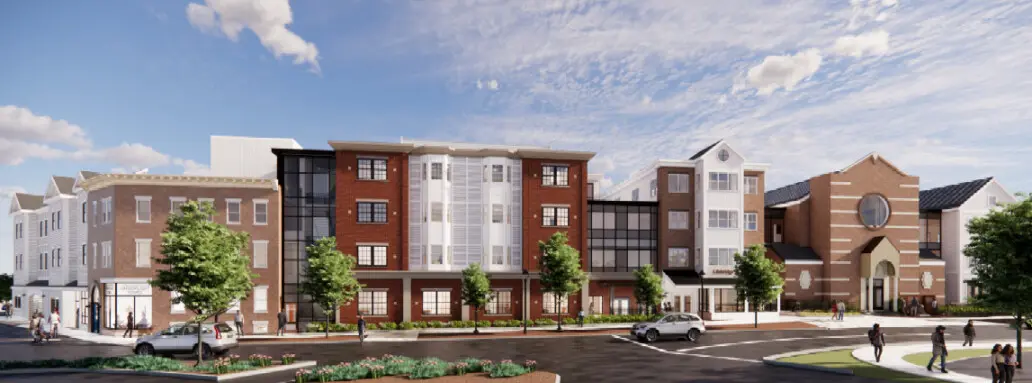
Church conversions into housing and community spaces are becoming increasingly popular in New England, offering innovative solutions through adaptive reuse. This approach repurposes old buildings while preserving their historical significance, helping to maintain cultural heritage and meeting vital community needs.
Tabernacle Church in Salem (Beacon Communities)
Plans are underway to transform the Tabernacle Church in downtown Salem from a traditional worship space into a mixed-use facility that includes permanent, supportive, affordable housing for veterans alongside continued worship space for the congregation. This change comes with challenges, such as securing funding and navigating requirements of the Federal Historic Tax Credit program. New additions must match the historic character of the neighborhood while the building meets the needs of the existing congregation and future residents. However, it also presents opportunities for community engagement, allowing for various social services and events. By repurposing the church, the project supports sustainability and reduces urban sprawl.
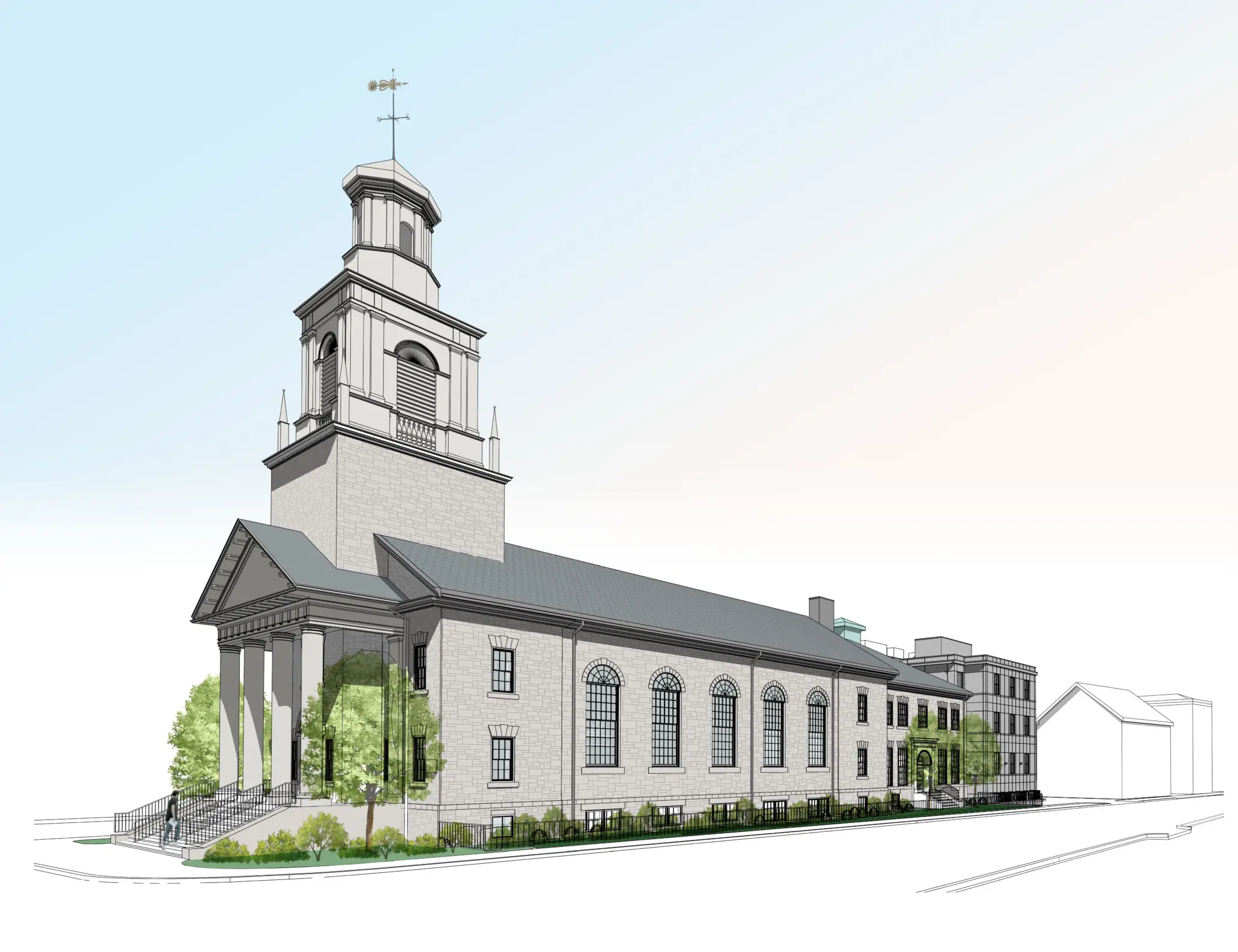
Saint Mary’s Church in Salem (Harborlight Homes & Lifebridge North Shore)
Lifebridge has reimagined this church campus to include space for emergency shelter, community meals, permanent supportive housing and social services. As a multi-building site, careful planning was needed to determine which components such as the main sanctuary and the façade of another historic building should remain, and what should be replaced with new additions. The development team worked with the City of Salem and at the State level to create a 40R zoning district for the site which brings additional funding to the City for other local initiatives.
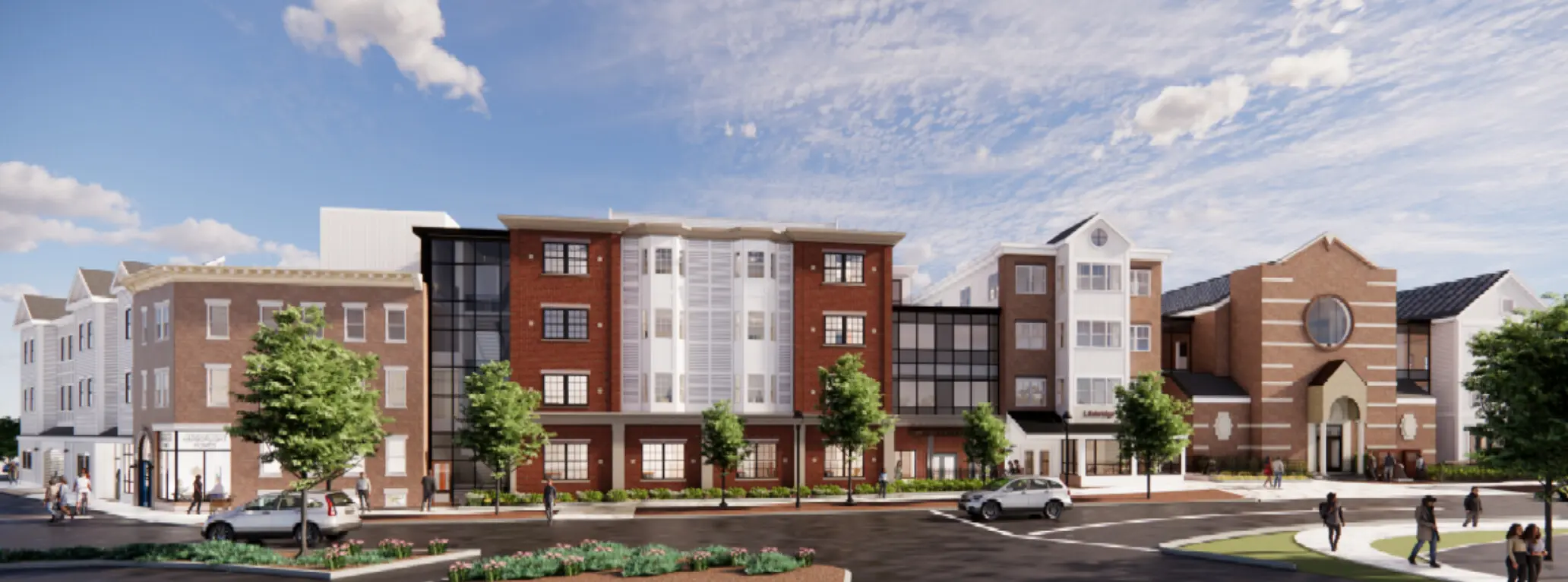
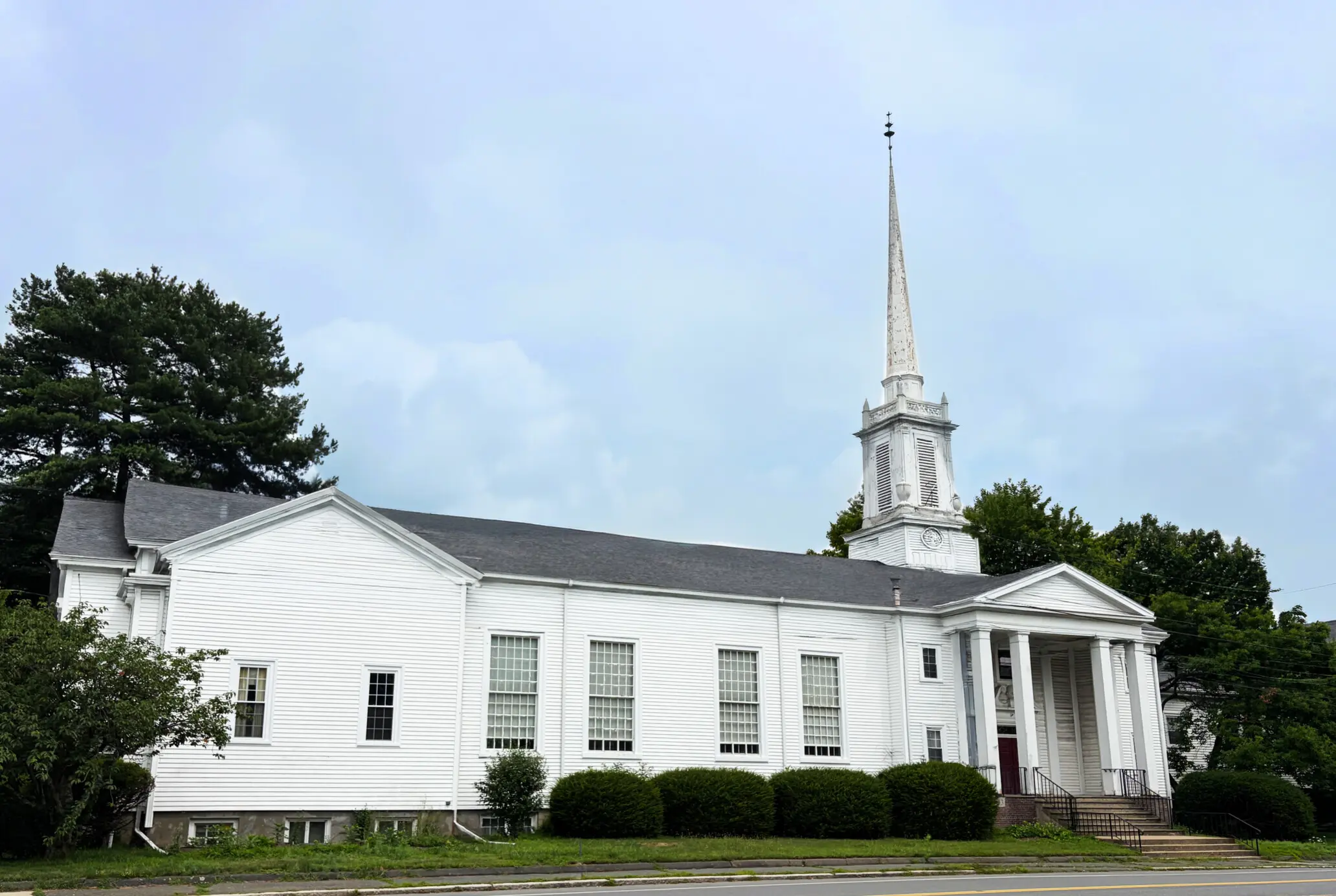
Second Congregational Church in Beverly (Lifebridge North Shore)
The Congregation voted to donate their Sanctuary to an organization that would carry on their torch of providing support to the local community. Lifebridge has reimagined the space as a hub for social services of all kinds. In addition to the main sanctuary space, the building has been used for Sunday School and served as a temporary shelter and base of operation for the Family Promise North Shore Boston organization for years, The current conversion will ensure that the church will continue to serve as a pillar of the neighborhood for years to come.
Looking Ahead
The conversion of church properties through adaptive reuse opens up many possibilities for community development. Successful projects like these in Beverly and Salem show how churches can continue to positively impact their communities in new ways. As more congregations consider this approach, collaboration among stakeholders like community organizations and local governments will be essential for creating lasting change.
The Commonwealth of Massachusetts has seen these projects and is doubling down with Lieutenant Governor Kim Driscoll championing an effort to adopt zoning legislation state wide that would allow affordable housing to be developed on properties owned by religious organizations by right. Dubbed YIGBY (for Yes In God’s Backyard) as a play on the anti-development slogan of NIMBY (for Not In My Backyard), this concept could unlock even more opportunities for church conversions and adaptive reuse.
This trend highlights the evolving role of religious spaces in our society, serving as vital resources in addressing urban challenges. By exploring these conversions, other communities can find inspiration in the potential of their own underutilized spaces.